Whether you’re moving apartments, hauling equipment, or taking a family road trip, renting the right truck or van can make all the difference. From compact cargo vans to heavy-duty haulers, the rental market today offers flexible options for every need and budget. Here’s how to choose smartly, save money, and stay safe on the road.
1. Know Your Options
Not all rentals are created equal. Here are the main types:
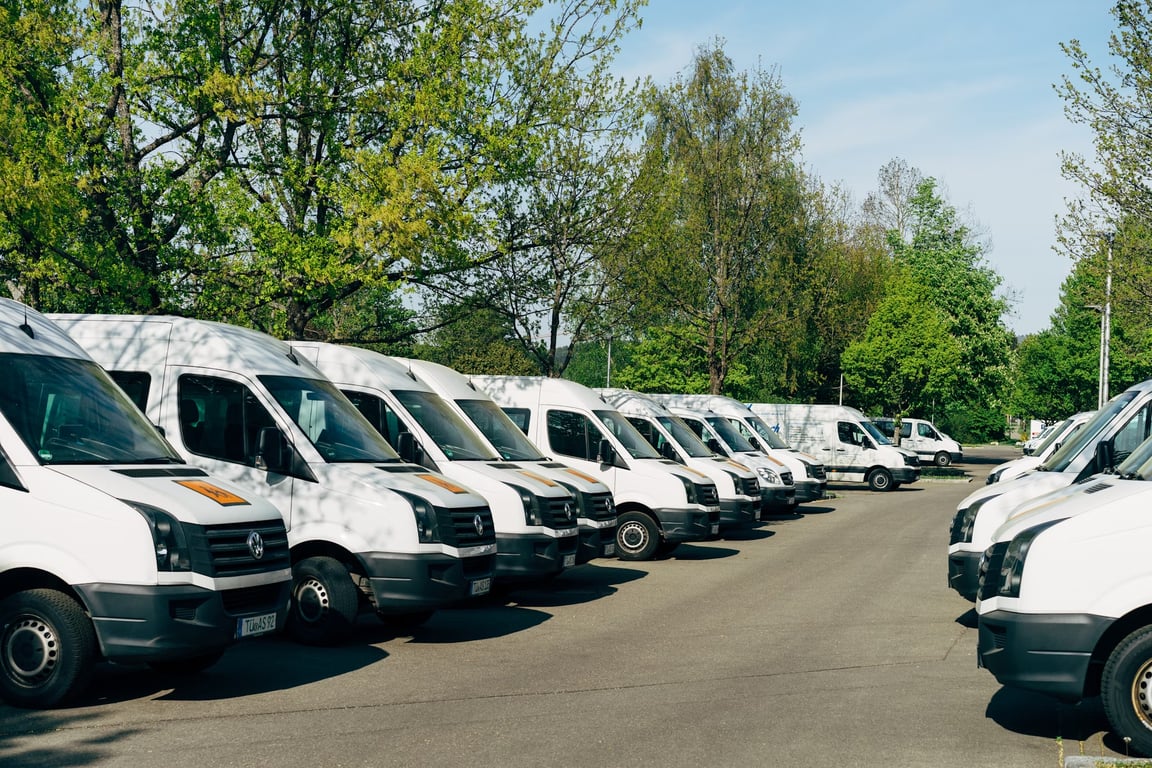
Passenger Van Rental – Ideal for road trips, group travel, or airport shuttles. Seats 8–15 people comfortably.
Cargo Van Rental – Great for small moves, business deliveries, or carrying tools. Easy to park and drive.
Pickup Truck Rental – Perfect for hauling gear, landscaping, or weekend DIY projects. Offers open-bed versatility.
Moving Truck Rental – For larger moves or furniture transport. Available in multiple lengths (10–26 ft).
Utility Trailer Rental – Best for towing small loads behind your vehicle.
Car Hauler Rental – For transporting cars safely between cities or to repair shops.
2. Match the Vehicle to Your Task
Estimate the size and weight of what you’ll be moving. Renting “too small” can lead to extra trips; “too large” means wasted fuel and harder handling.
Small apartments: Cargo vans or 10-ft trucks.
3-bed homes: 20-26-ft moving trucks.
Contractor jobs: Pickup trucks or cargo vans with tie-down points.
3. Mind the Licenses and Weight Limits
Most standard rentals under 26,000 lbs GVWR (Gross Vehicle Weight Rating) don’t require a commercial driver’s license (CDL) in the U.S. But always confirm. Overloading can void insurance and create safety risks.
4. Compare Rental Terms and Mileage
Rates vary by company and location:
Some rentals include unlimited miles, while others charge per mile.
Check one-way drop-off fees, which can be high for cross-state moves.
Don’t forget fuel policies—full-to-full usually saves the most.
5. Insurance and Protection Plans
Most credit cards cover passenger cars but not trucks or vans. Consider purchasing supplemental coverage from the rental company, especially for large vehicles.
6. Safety First
Trucks and vans handle differently than cars:
Allow extra braking distance.
Watch overhead clearances—especially at drive-throughs and garages.
Use mirrors carefully; blind spots are larger.
7. Return Smart
Clean out the cargo area, refill fuel, and take pictures of the vehicle upon return. Late fees and cleaning charges add up fast.
Final Thoughts
Renting a truck or van doesn’t have to be complicated. Whether you’re a weekend warrior hauling supplies or a small business moving goods, understanding your options - and reading the fine print - will keep you on budget and on schedule. Choose the right size, drive safely, and your rental will work just as hard as you do.


